
Building Intelligence
A new AI paradigm across the full lifecycle of smart-building construction and operations
Design Collaboration
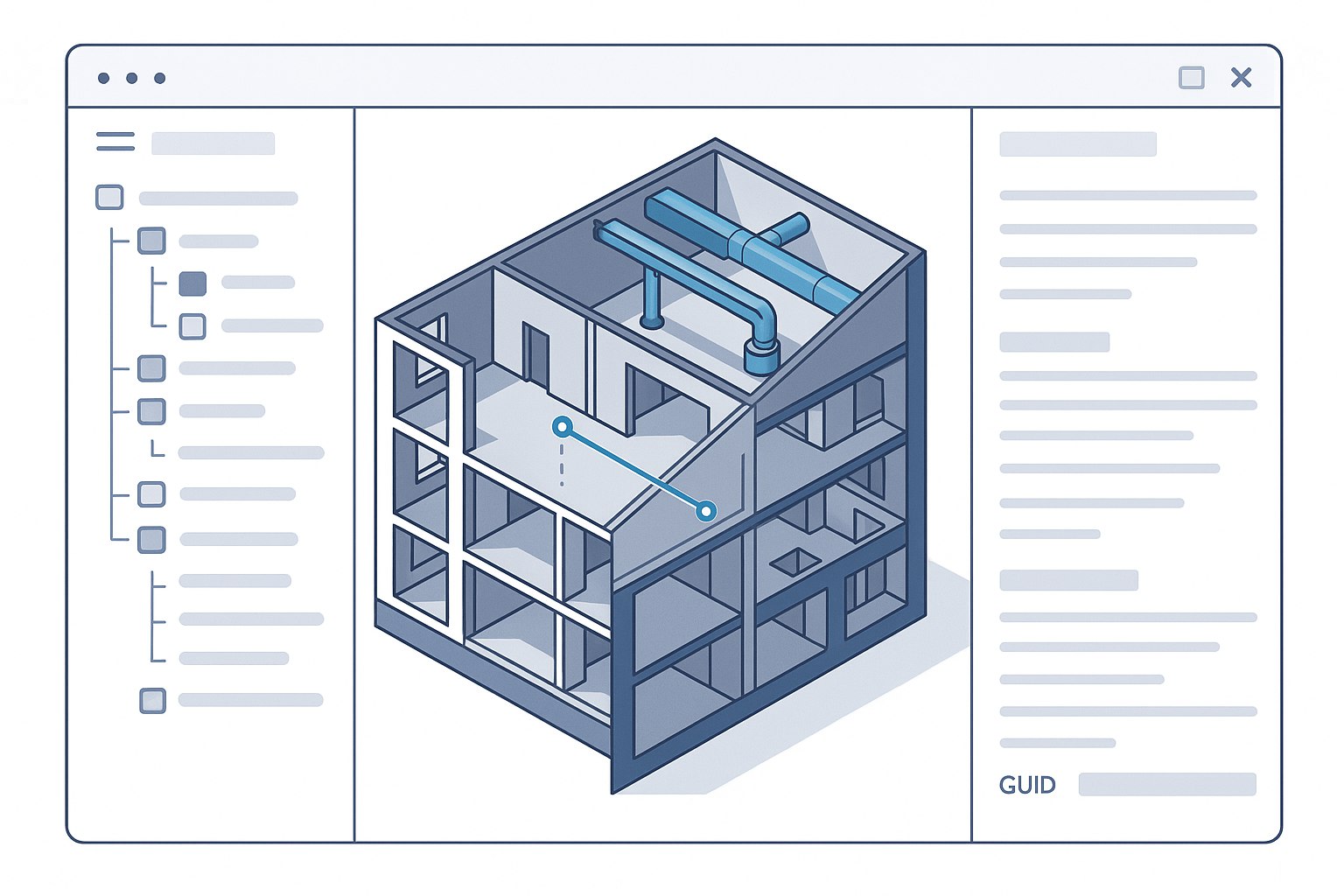
A WASM + Canvas based online BIM collaboration platform delivering the full workflow from 3D model viewing, editing and annotation to multi-party co-design management. The system runs compute-heavy tasks — geometry computation, attribute parsing, boolean operations — inside WASM modules and renders to Canvas via WebGL/WebGPU for high-performance cross-device 3D interaction.
In the browser, designers can:
- View, section, measure and edit model attributes;
- Annotate and comment in real time (concurrent multi-user editing with automatic conflict merging);
- Manage versions and compare differences;
- Control permissions and replay operations.
Key features:
- High-performance rendering: Multi-level LOD rendering and instanced drawing via WebAssembly and WebGL2/WebGPU.
- Collaboration: Multi-user real-time design collaboration over WebSocket/WebRTC, auto-syncing operation state and annotations.
- Smart annotation & review: Generate tasks, issues and change requests directly on the model (BCF-compatible).
- Cross-device: Runs in browsers, mobile and edge devices with no installation required.

Success story: China Construction (South Pacific) — CCSP
In cost estimation and control, quantity takeoff long relied on manual drawing reading and hand calculation — slow, inconsistent and error-prone; multi-supplier settlement data was scattered with long reconciliation cycles.
They wanted to add AI quantity takeoff and supplier reconciliation on top of the BIM online collaboration platform, connecting model → quantities → settlement end to end.
Results
- →AI quantity takeoff: Automatically recognizes components from the BIM model and computes quantities, with a rule engine producing itemized bills — greatly improving takeoff efficiency and consistency.
- →Supplier reconciliation: Connects quantities, contract unit prices and supplier delivery/settlement data, auto-comparing differences and generating reconciliation statements to shorten settlement cycles.
- Automated takeoff, fewer manual errors
- Unified, traceable multi-supplier reconciliation
- End-to-end model to takeoff to settlement
Construction Safety
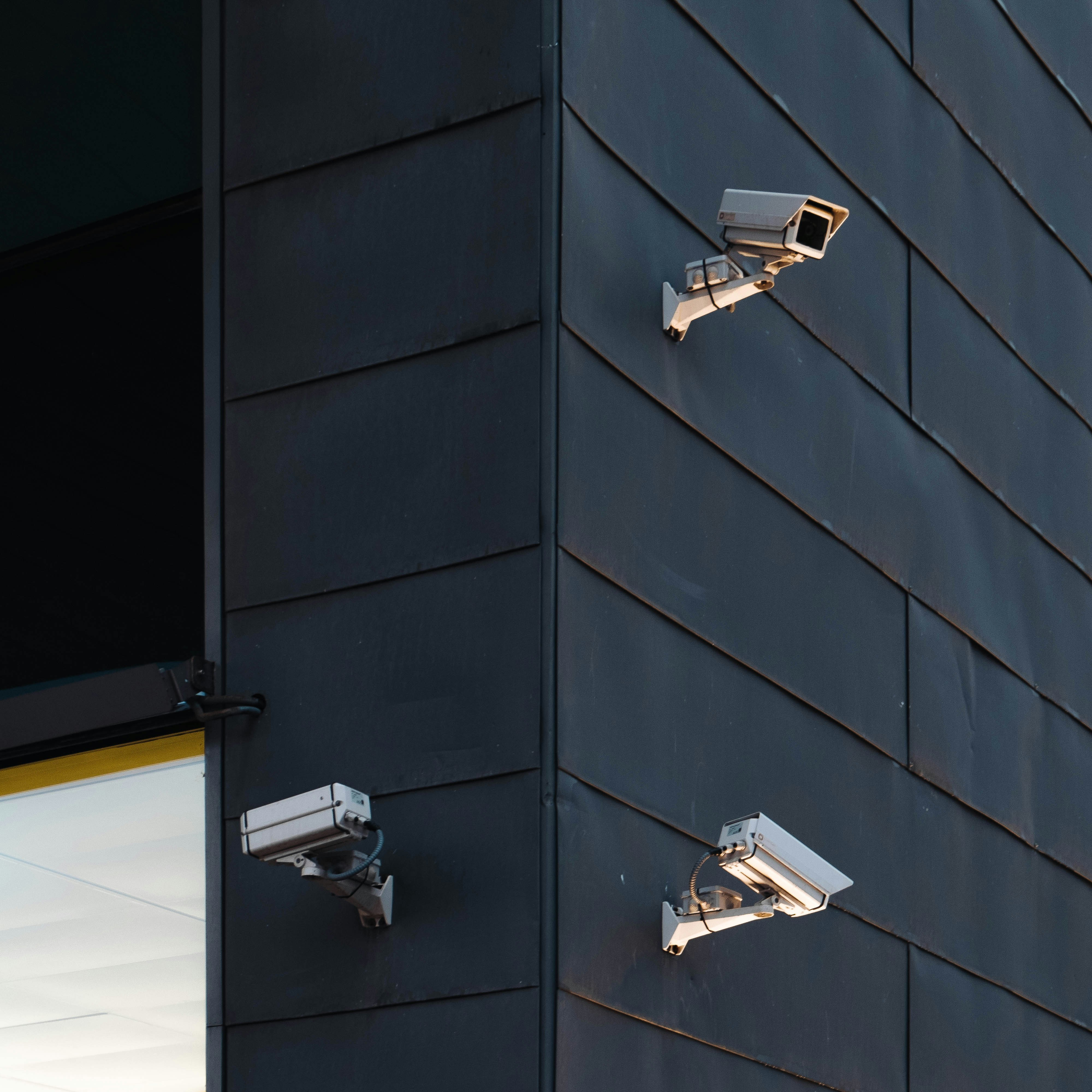
Using edge computing, AI facial recognition and boundary detection, the system delivers intelligent safety supervision of production sites. Lightweight models deployed on edge nodes enable local real-time recognition and alerting, reducing cloud dependence and latency.
Key capabilities:
- Personnel recognition & access control: Facial recognition verifies the identity of people entering and leaving the site;
- Zone boundary detection: Automatically detects whether personnel cross into hazardous areas;
- Behavior detection: Identifies violations such as missing helmets or safety harnesses;
- Real-time alerts & traceability: Events are pushed instantly, with recordings automatically linked for replay;
- Edge-accelerated: Model inference and video-stream analysis run on local nodes, improving response speed and data security.
Cost Audit
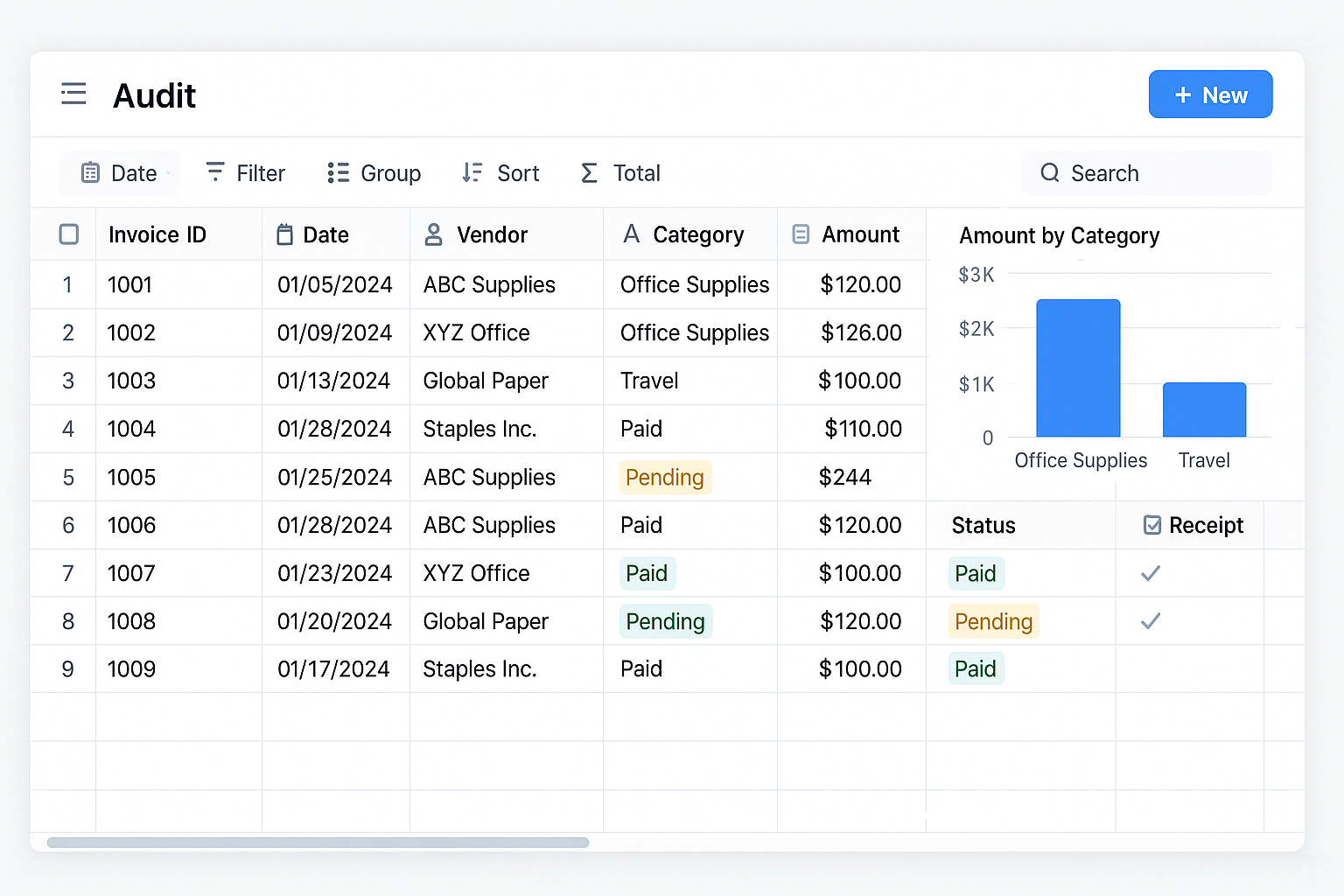
To address inconsistent settlement documents in international engineering projects — caused by differences in language, format and standards — WLStack (MetaChain Network) introduces an intelligent construction cost settlement and audit solution based on multi-dimensional tables and multimodal models.
Solution Overview
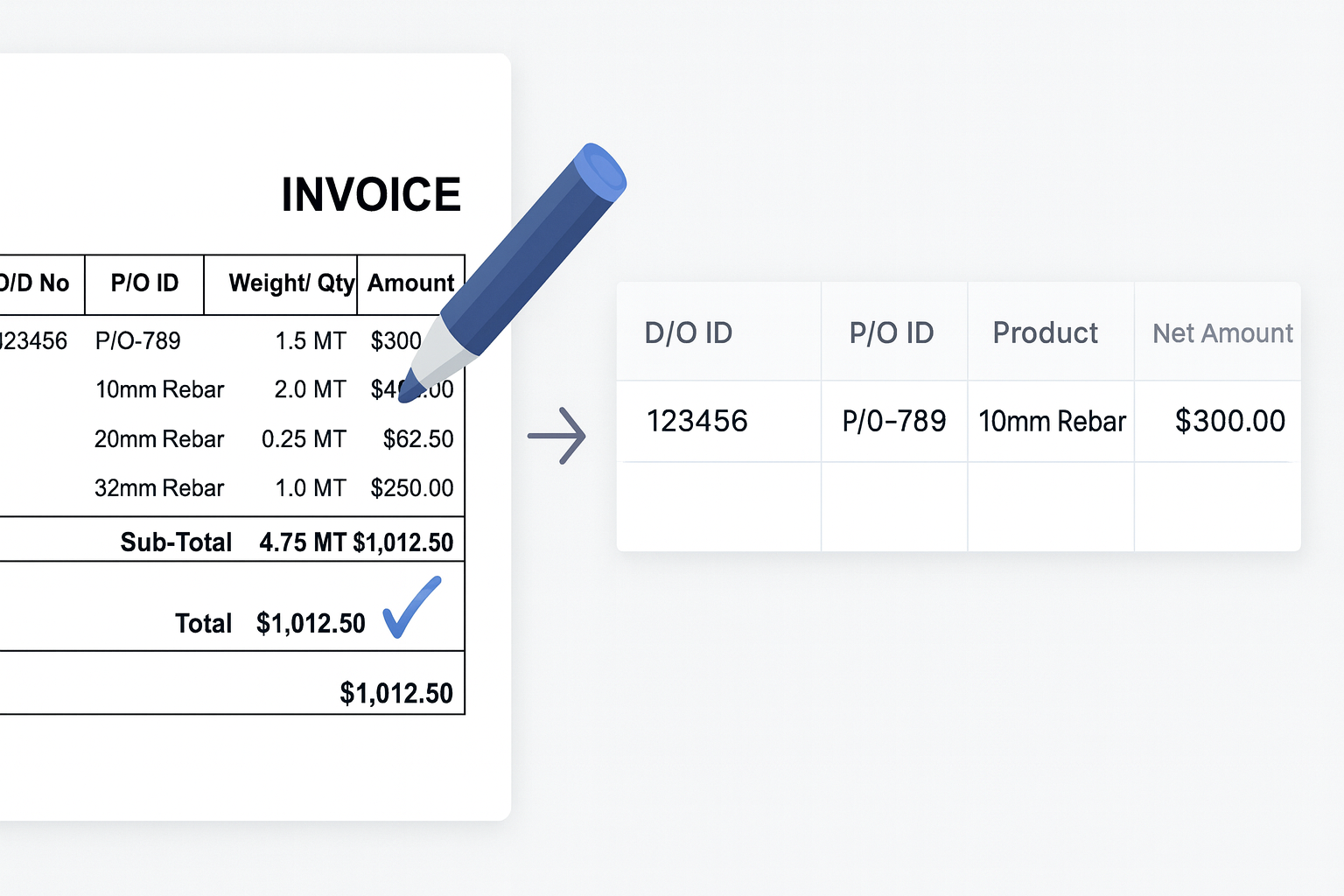
Multi-modal Integration Supports structured PDF parsing and block-based recognition of image receipts, with per-template detection thresholds, orientation, scale and color pre-processing for high-accuracy recognition.
Template-driven Vectorization Coarsely locates receipt field positions, then performs precise matching and recognition, binding to a standard dictionary to ensure field-semantic consistency.
High Performance Uses WASM + Canvas to render multi-dimensional tables, enabling high-frame-rate structured-data visual editing and comparison.
High Security Supports row- and column-level data access authorization and encryption, ensuring the confidentiality and compliance of financial data.
Multi-stage Processing With pre-configured supplier templates and blocks, receipts are processed in batches with automatic anomaly-block detection; difficult receipts trigger manual-review reminders, and once approved proceed to aggregation or further calculation.
Technical Advantages
- Multimodal recognition: Fusion of text + image + tables, compatible with Chinese and English receipts.
- Extensible template system: Supplier templates support dynamic training and version management.
- High-performance rendering: WebAssembly-based table rendering is 5–10× faster than traditional front-ends.
- Traceable audit chain: Every recognition, edit and audit operation carries an on-chain signature and log.
- Cross-region deployment: Supports cloud/edge/local multi-tier deployment for internationalization and compliance.
Community Operations
An AI- and edge-computing-based operations system for high-end commercial building communities, fusing Building Information Modeling (BIM), IoT and big-data analytics to deliver smart management across the building lifecycle. By deploying intelligent compute nodes at the building and campus edge, the system collects and analyzes operational data in real time — energy consumption, equipment status, visitor traffic, parking utilization, environmental metrics and commercial activity. AI models run inference on local nodes for intelligent decision-making and autonomous execution across equipment operations, energy optimization, space utilization and customer service.
Core capabilities:
- Smart building management: Intelligent coordination of HVAC, lighting, elevators and security, with AI-predicted optimization of energy and comfort.
- Smart traffic analysis: Edge vision recognition and data modeling measure crowd density, paths and dwell time to optimize commercial-space layout.
- Community activities & service recommendations: Based on tenant profiles and real-time behavior, AI automatically matches activities, offers and service pushes.
- Multi-dimensional visualization platform: WebAssembly + Canvas renders the 3D operational state of buildings, showing equipment, energy and people distribution in real time.
- Edge autonomy & coordination: Nodes can run offline and auto-sync data and policies to the cloud, ensuring operational continuity and privacy.

Edge Computing
The edge intelligent-computing platform is the core infrastructure for smart community and building operations. By deploying and coordinating AI models on edge nodes, it delivers efficient, secure, low-latency data processing and decision-making. The system moves sensing, computing, storage and control capabilities closer to the data source, using containerization and distributed-computing frameworks for flexible scaling and load balancing.
Core characteristics:
- Low-latency response: Local inference on edge nodes delivers millisecond-level response without cloud dependence.
- AI collaborative inference: Multiple nodes share model weights and data features for parallel global optimization and personalized decisions.
- Data security & compliance: Sensitive data stays local; combined with homomorphic encryption and federated learning to ensure privacy.
- Elastic scheduling: Supports containerized deployment and microservice orchestration, dynamically adjusting compute to handle peak load.
- Self-learning & self-optimization: Edge models continuously update parameters from real-time feedback for adaptive optimization.