
GPU Servers
WLStack GPU Servers deliver parallel compute capacity for AI training, fine-tuning, inference services, AIGC, scientific computing and media processing, and can be integrated with high-speed storage, containers and cluster scheduling.
Talk to us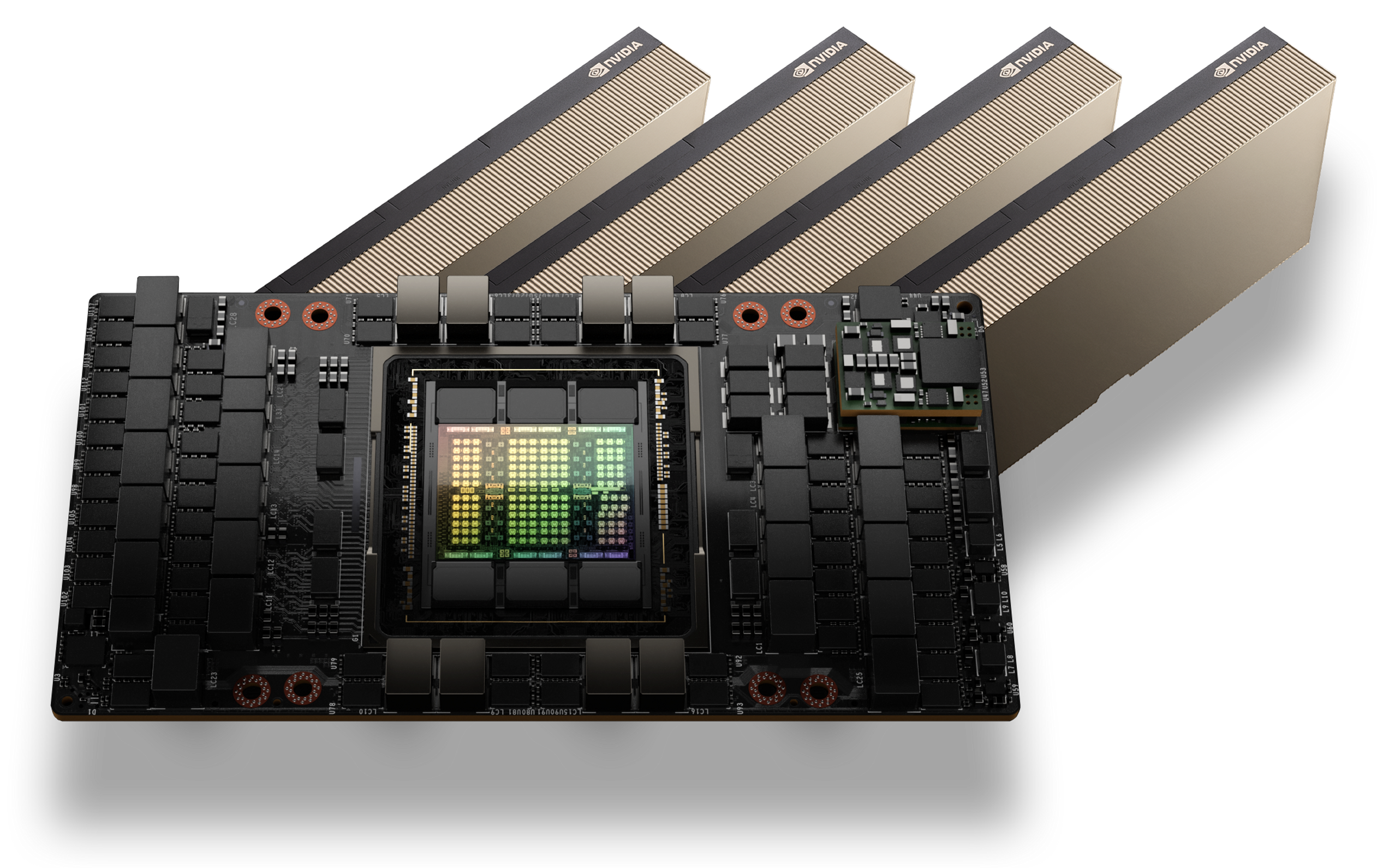
Turn AI compute from experimental hardware into a production platform
WLStack GPU Servers are built for AI training, inference, AIGC, scientific computing and media workloads. Combined with storage, networking, containers and orchestration, they support a full path from single-node experiments to multi-node training and from offline computation to online model serving.
Product advantages
High-parallel compute for AI
Designed for training, fine-tuning, inference, vectorization and image/video workloads.
- Training acceleration
- Inference acceleration
- Image and video processing
- Scientific computing
Smooth scaling from single node to cluster
Support growth from development and experimentation to multi-GPU and multi-node environments.
- Single-node experiments
- Multi-GPU expansion
- Training cluster nodes
- Inference pools
Platform and container integration
Work with Docker, Kubernetes, schedulers and model-serving platforms.
- Container compatible
- Kubernetes integration
- Task scheduling
- Model serving
High-speed data paths
Coordinate with storage and networking to shorten data preparation and model loading time.
- High-performance storage
- Shared datasets
- Reduced data wait time
- Higher training efficiency
Core capabilities
GPU compute for model training and fine-tuning
Designed for large-scale experimentation, training and fine-tuning with strong parallel performance.
- Model training
- Fine-tuning
- Experiment batches
- Multi-GPU scheduling
Low-latency inference capacity for online services
Provide stable inference resources for online models, AIGC services and enterprise AI applications.
- Online inference
- Model serving
- Low latency
- Elastic scaling
Integrate with containers and mainstream AI frameworks
Support Docker, Kubernetes and common AI frameworks as part of an existing platform workflow.
- Docker
- Kubernetes
- PyTorch / TensorFlow
- Automated scheduling
High-speed data paths for training and inference
Coordinate storage and network access for datasets, models and intermediate artifacts.
- Shared datasets
- High-speed reads and writes
- Reduced data bottlenecks
- Fit for large-scale jobs
Layered GPU resource choices for different workload stages
Choose the right GPU profile for development, production inference and training scale.
- Dev/test profiles
- Production inference profiles
- Training cluster profiles
- Right-sized selection
Mainstream GPU models
Covering large-model training, inference and graphics rendering — choose by workload scale and budget.
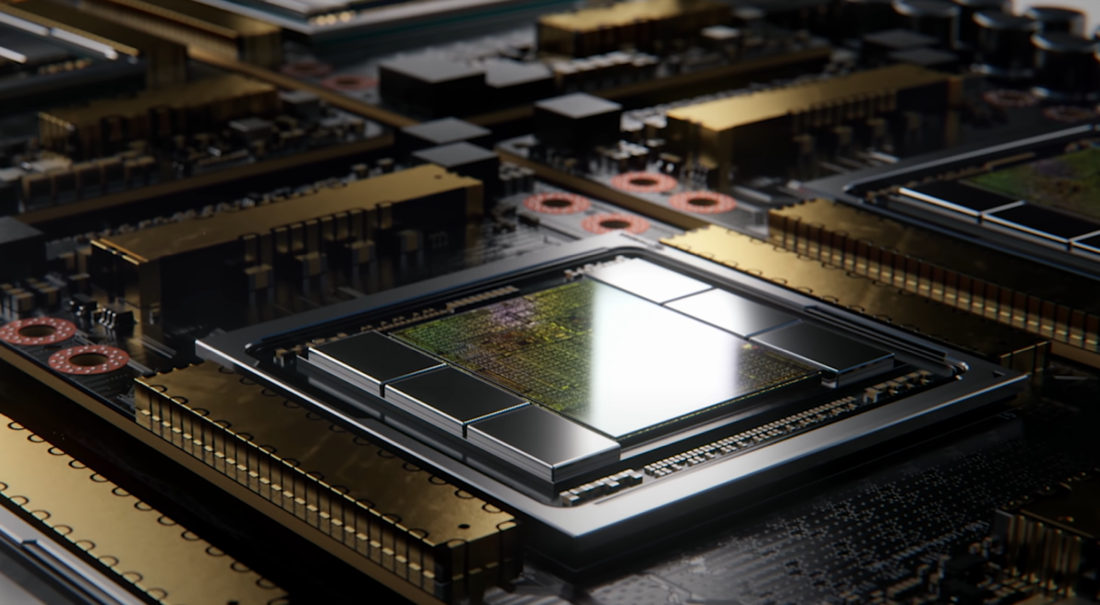
NVIDIA A100
Flagship accelerator for large-scale training and HPC.
- 40 / 80GB memory
- NVLink interconnect
- Top choice for LLM training
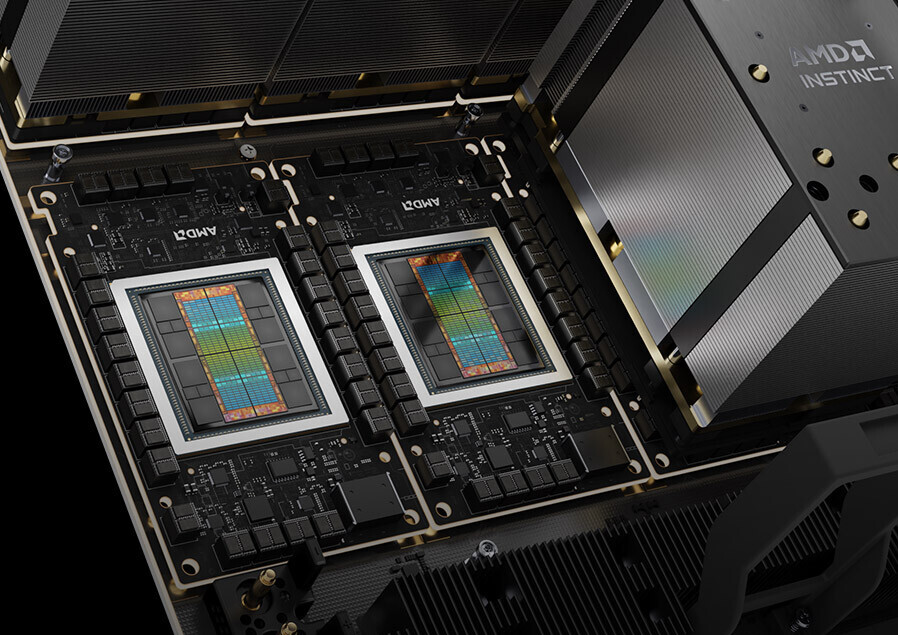
NVIDIA A800
Cost-effective training and inference compute with stable supply.
- 80GB memory
- High-bandwidth interconnect
- Training / inference
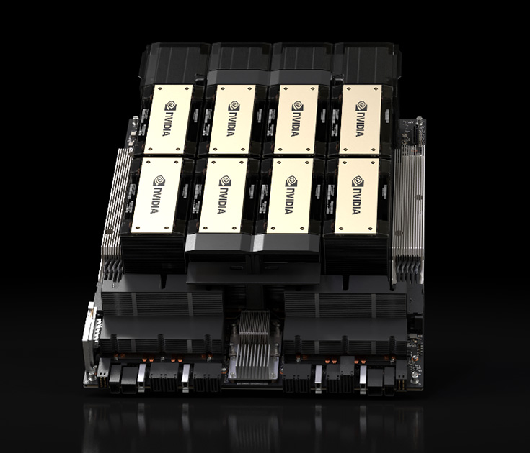
NVIDIA H20
New-generation card optimized for LLM inference and fine-tuning.
- Large memory capacity
- Inference throughput optimized
- LLM-inference friendly
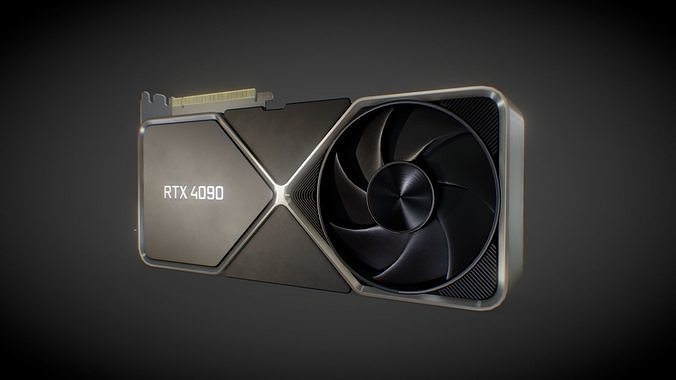
NVIDIA RTX 4090
Cost-effective choice for rendering, light training and inference.
- 24GB memory
- Strong single-card performance
- Render / inference / test
Typical scenarios
Model training and fine-tuning
Suitable for LLM fine-tuning, CV/NLP training, recommendation training and experimentation workflows.
- High-throughput training
- Multi-GPU expansion
- From experiment to production
- Shared dataset access
Online inference and AIGC services
Support online model inference, content generation, intelligent Q&A and enterprise AI services.
- Low-latency inference
- Inference pooling
- Service deployment
- Scale with traffic
Media processing and scientific computing
Fit for transcoding, image recognition, simulation and other parallel compute workloads.
- Image analysis
- Video acceleration
- Scientific workloads
- High-parallel execution